
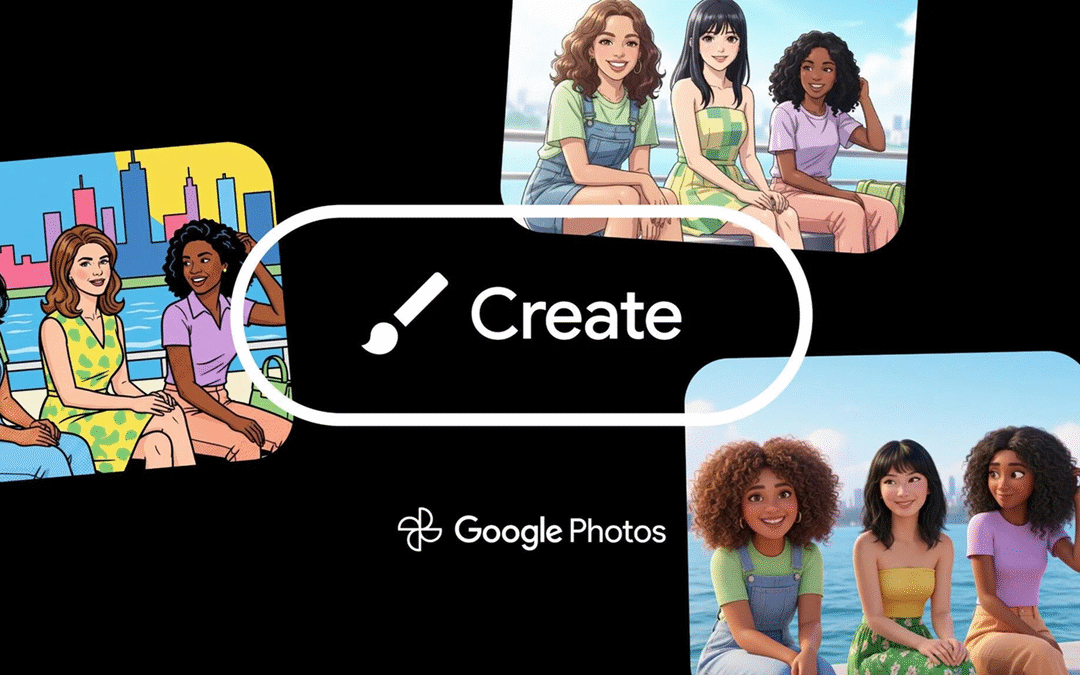
Google has announced a major update to Google Photos, giving users the ability to convert static images into high-quality videos using artificial intelligence. The new feature, rolling out globally in phases, is designed to help people share their memories in a more engaging and dynamic way.
By leveraging cutting-edge machine learning models, Google Photos can now analyze still images, detect key subjects, and generate smooth motion effects that resemble professional video editing. Users https://malaka555.sg-host.com/ will be able to create short cinematic clips from their existing photo libraries with minimal effort, making it easier to tell personal stories in a visually compelling format.
How the AI Video Generation Works
The new tool combines computer vision and deep learning algorithms to identify faces, objects, and backgrounds within a photo. Once the AI understands the composition, it applies intelligent motion effects such as panning, zooming, and subtle perspective shifts. This creates the illusion of depth and movement, turning a single snapshot into a flowing video sequence.
Google engineers explain that the technology goes beyond basic slide shows. Instead of simply stitching images together, the AI recreates spatial relationships inside each photo. It can adjust lighting, add gentle transitions, and even predict missing visual details to make the final video appear smooth and natural. The entire process takes only a few seconds and does not require manual editing skills.
Personalized Stories With Smart Editing
In addition to automated motion, Google Photos will allow users to customize their creations with music, captions, and filters. The AI can suggest soundtracks based on the mood of the photos or the event captured, whether it’s a birthday, a holiday trip, or a quiet family gathering. Users can accept the recommendations or choose their own audio for a more personal touch.
The system also offers smart trimming options, ensuring that each video highlights the most meaningful aspects of the images. For example, if the AI detects a smiling face or a dramatic sunset, it will emphasize those elements with slow-motion effects or gradual zooms. This level of personalization makes it easier for anyone to craft memorable clips without spending hours on editing software.
Privacy and Compatibility Considerations
Google assures users that privacy remains a top priority. All video generation takes place within the Google Photos ecosystem, and users maintain full control over what content is processed. The feature is compatible with both Android and iOS devices, and videos can be exported in high resolution for sharing on social media or archiving in personal collections.
To ensure accessibility, the AI tool is designed to work even with older or lower-quality images. By applying advanced upscaling and noise reduction techniques, it can improve sharpness and color balance before creating the final video. This means that even decades-old family photos can be revived and presented in a modern, cinematic format.
A Step Forward in Everyday AI Creativity
Industry analysts view the update as another example of how artificial intelligence is reshaping consumer technology. By embedding complex machine learning processes into a simple mobile app, Google lowers the barrier to creative storytelling for millions of users.
The AI video feature not only strengthens Google Photos’ position as a leading cloud media platform but also demonstrates how AI can enhance everyday experiences. From reviving nostalgic memories to sharing life’s latest adventures, the new capability turns ordinary pictures into dynamic narratives that can be enjoyed across generations.